

The strongest digital products aren't files. They're packaged outcomes. A downloadable spreadsheet matters because it helps a buyer make a decision faster. A course matters because it turns specialist knowledge into a repeatable learning path. A membership matters because it gives people continued access to guidance, resources or peers.
That distinction is increasingly important in the UK. The Office for National Statistics' digital economy research reported that digital products accounted for 5.0% of UK Gross Value Added in 2020, up from a revised 4.5% in 2019 under the OECD's narrow definition. Digital buying journeys also perform strongly in consumer research, with online-native experiences scoring 115.2, mobile-native experiences 114.2, and physical retail 62.6 in Deloitte's UK Digital Shopping Index, based on a nationally representative survey of 4,150 UK consumers. Deloitte's research is summarised by ESCoE.
The following ten digital product examples are assessed by audience fit, perceived value, fulfilment effort, support expectations, differentiation and OfferLink preview clarity. The best choice matches the seller's expertise and capacity, rather than the format currently attracting the most attention. The list moves from repeatable knowledge and practical resources through creative assets, software and recurring access models, helping sellers escape the 9-to-5 with digital products without confusing a format with a business model.
Table of Contents
- 1. Online Courses and Educational Content
- 2. Templates, Frameworks and Tools
- 3. eBooks and Written Guides
- 4. Design Assets and Graphics
- 5. Software Tools, Plugins and Apps
- 6. Photography and Videography Presets
- 7. Music, Sounds and Audio Resources
- 8. Consulting Reports and Industry Research
- 9. Membership Communities and Access Passes
- 10. Writing, Copywriting and Content Resources
- Comparison of 10 Digital Product Types
- Turn the Best Example Into a Clear Offer
1. Online Courses and Educational Content
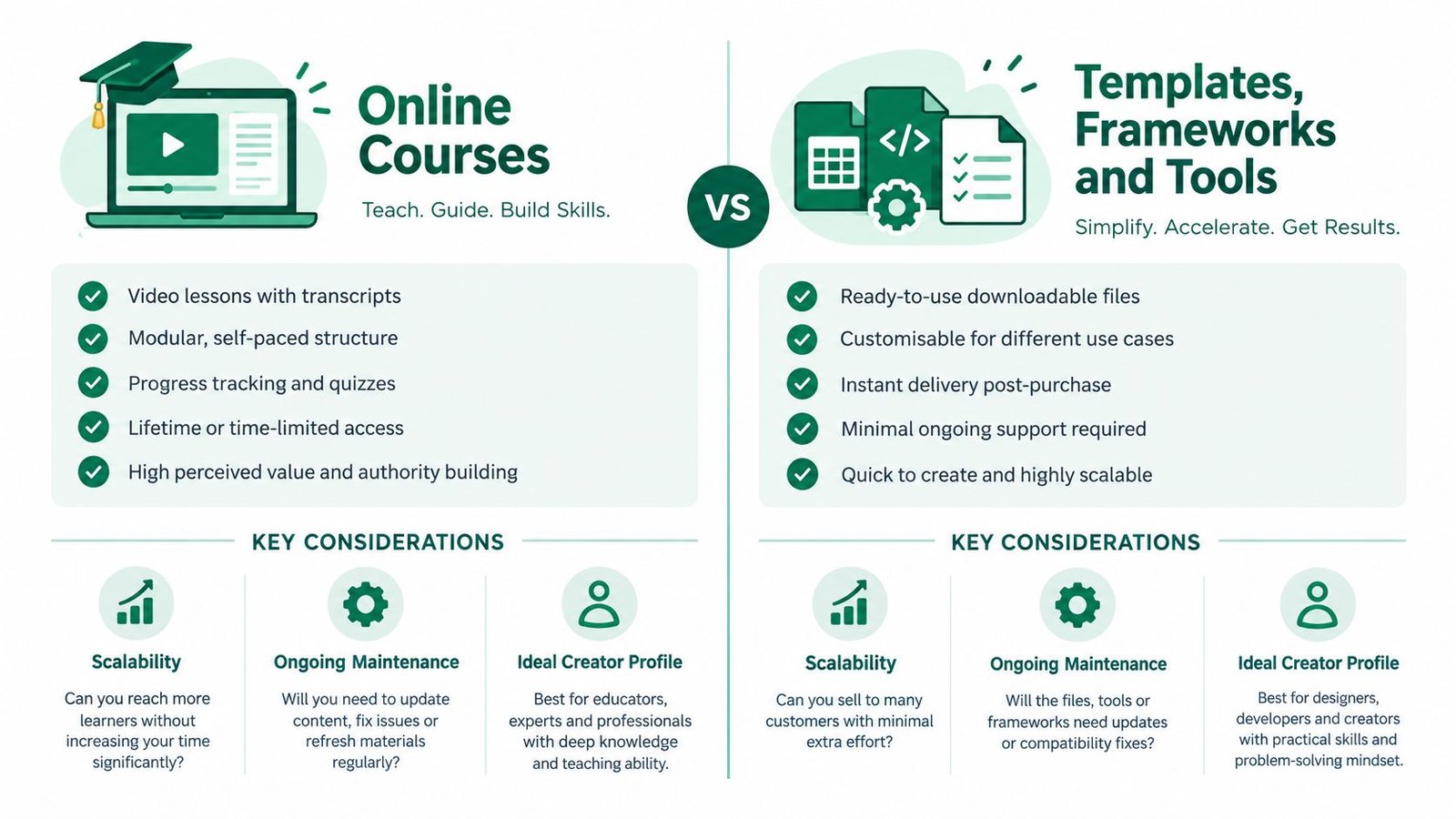
An online course suits a seller who can guide a defined audience from a recognisable problem to a useful capability. It might teach new managers how to run effective one-to-ones, help freelancers build a client onboarding process, or show photographers how to organise a post-production workflow. The product isn't the video library. It's the sequence of explanation, practice and application.
Courses can combine video lessons, transcripts, captions, audio, downloadable workbooks, templates, quizzes and progress tracking. A modular structure lets buyers learn at their own pace, while lifetime or time-limited access gives the seller a deliberate way to frame ongoing availability.
The main advantage is repeatability. Once the core programme exists, the same teaching can serve many buyers without the seller repeating every explanation live. That scalability comes with a substantial production burden, however. Good courses need clear learning outcomes, demonstrations, editing, accessible materials and a plan for updates. Buyers also need motivation, so a long course with no milestones can feel less valuable than a shorter programme that produces a visible result.
What the OfferLink preview must answer
A course page should identify who the course is for, what the buyer will be able to do, what's included and how access works. A title such as “Build a Better Business” is weak. “Create a repeatable client onboarding system for a small consultancy” gives the buyer a more concrete reason to continue.
The step-by-step guide to selling digital products can support the seller's launch planning. The preview should also show module names, delivery format, estimated commitment stated qualitatively, update expectations and the boundary between course access and personal support.
2. Templates, Frameworks and Tools
Templates work when buyers want a head start rather than a lesson. A project planner, financial model, presentation deck, Figma component set, email sequence or Notion workspace can remove repetitive setup and give a buyer something usable immediately. The product's value comes from decisions already made well, not from the number of files in a bundle.
This format suits consultants, operators, designers and marketers who've built reliable working systems. A spreadsheet for tracking campaign performance is more compelling when it includes sensible fields, formulas, instructions and a worked example. A client proposal template is stronger when it reflects the seller's understanding of what buyers need to approve a project.
Templates are usually quicker to produce than courses and need less ongoing support. They're also easy to adapt into variants for different audiences. The trade-off is commoditisation. Buyers can find superficially similar files everywhere, and a generic template often attracts price comparison rather than trust.
How to make a template feel specific
The preview should display the starting problem, file formats, compatibility, instructions, licence and expected editing effort. It should show enough of the resource to establish quality without giving away the whole product. A buyer needs to know whether the file works in Excel, Google Sheets, PowerPoint, Figma, Canva or another tool before payment.
Strong positioning names the use case. “Weekly content planner” is broad. “A content planning workbook for a two-person B2B marketing team” signals who benefits and what the template is designed to handle. Sellers should state whether updates are included, whether commercial use is permitted and whether customisation support is available. Clear scope matters more than an inflated bundle size.
3. eBooks and Written Guides
An eBook is still a practical choice when the buyer needs depth, reference material or a clear written method. It can be a niche how-to guide, a research-led briefing, a technical manual or a collection of worked examples. The format suits subject-matter experts who explain complex ideas precisely and readers who prefer searchable, offline content to video.
A paid guide must do more than restate information available through a basic search. Its advantage should come from selection, structure, judgement and application. A guide for independent consultants might include a positioning method, sample decision criteria, annotated examples and a set of exercises. A technical guide could help the reader diagnose a problem in a consistent order.
Professional formatting affects perceived value. A searchable PDF with an interactive contents page, useful illustrations and descriptive file naming feels easier to use than an unstructured document. ePub delivery can improve reading on supported devices, while a direct download removes dependence on an external learning platform.
Written authority has a maintenance cost
The format is scalable after writing, but it isn't automatically evergreen. Platforms change, regulations develop, software interfaces are redesigned and accepted practices move on. A seller should identify which passages may date and explain how revisions will be handled.
The OfferLink preview should show the reader profile, problem addressed, contents, file type, sample pages and evidence of the author's competence. It should also distinguish a practical guide from a report, a workbook or a short lead magnet. Buyers don't need inflated promises. They need a clear explanation of what they'll be able to understand, decide or complete after reading.
4. Design Assets and Graphics
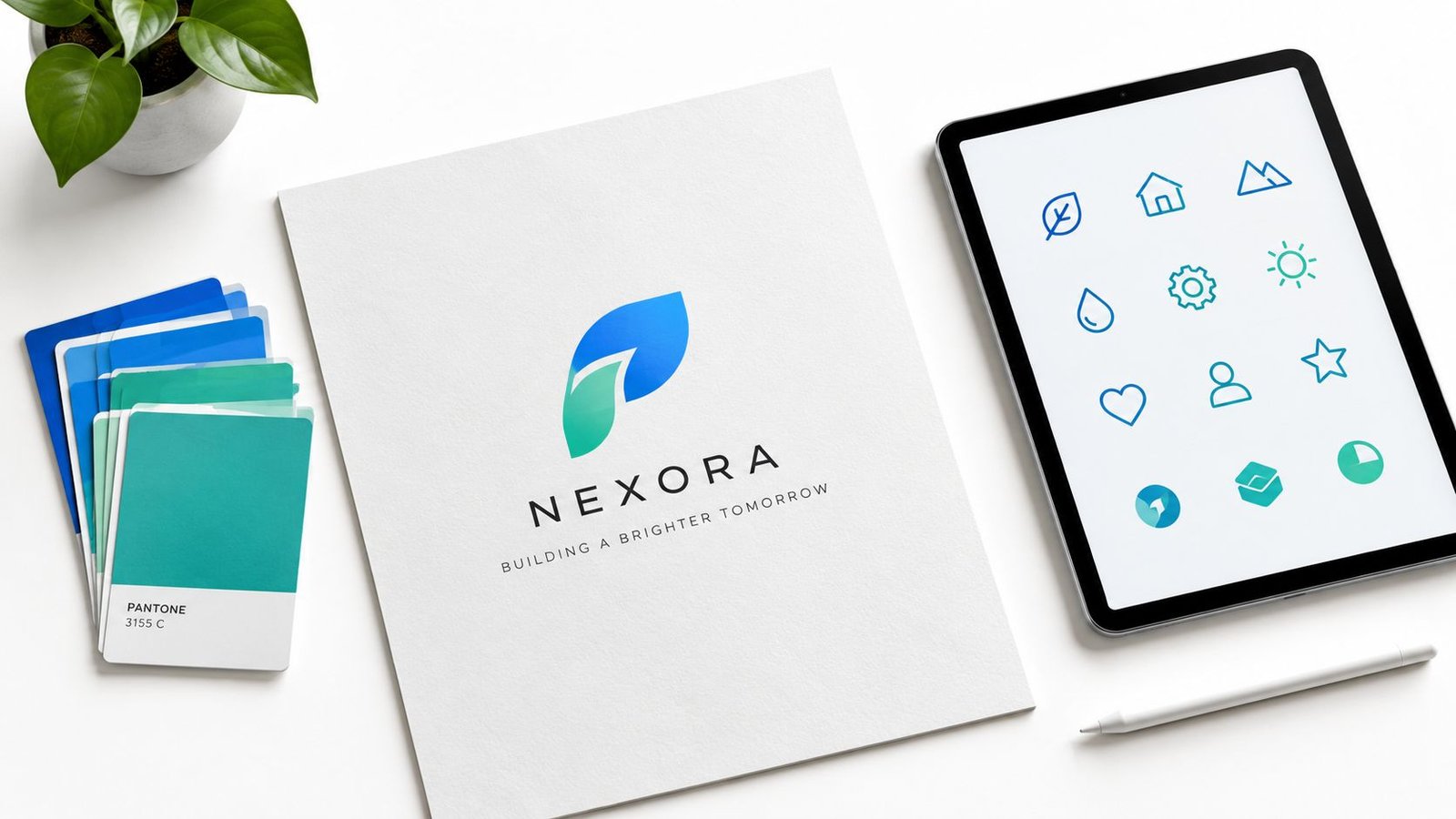
Design assets solve a visual production problem. Icons, fonts, illustrations, stock images, logo concepts, presentation elements and social media graphics help freelancers, small businesses and content creators produce polished work without commissioning every component from scratch.
The strongest packs have a coherent visual language. Buyers should be able to see how the assets work together across a website, presentation, campaign or brand system. High-resolution PNG, SVG or AI files may suit different workflows, while editable files should identify the software needed to open them. A collection organised by theme, format or use case is easier to buy and easier to use.
Licensing is part of the product
Commercial-use wording needs precision. Sellers should explain whether buyers may use the assets in client work, paid advertising, products for resale, trademarked materials or unlimited projects. They should also identify what isn't allowed, such as redistributing the original files or adding them to another asset marketplace.
Free alternatives create a difficult comparison, so the offer needs a visible reason to exist. That reason might be a distinctive style, a specialised industry application, consistent file preparation or a licence that removes uncertainty. Buyers often purchase related assets together, but bundling only works when the group solves a coherent design task.
An OfferLink preview should show realistic examples, file types, software compatibility, licence terms, included variations and delivery details. A gallery can demonstrate quality more effectively than adjectives. If the buyer needs a specific font format, colour profile or editing application, that information belongs before checkout, not in a support message afterwards.
5. Software Tools, Plugins and Apps
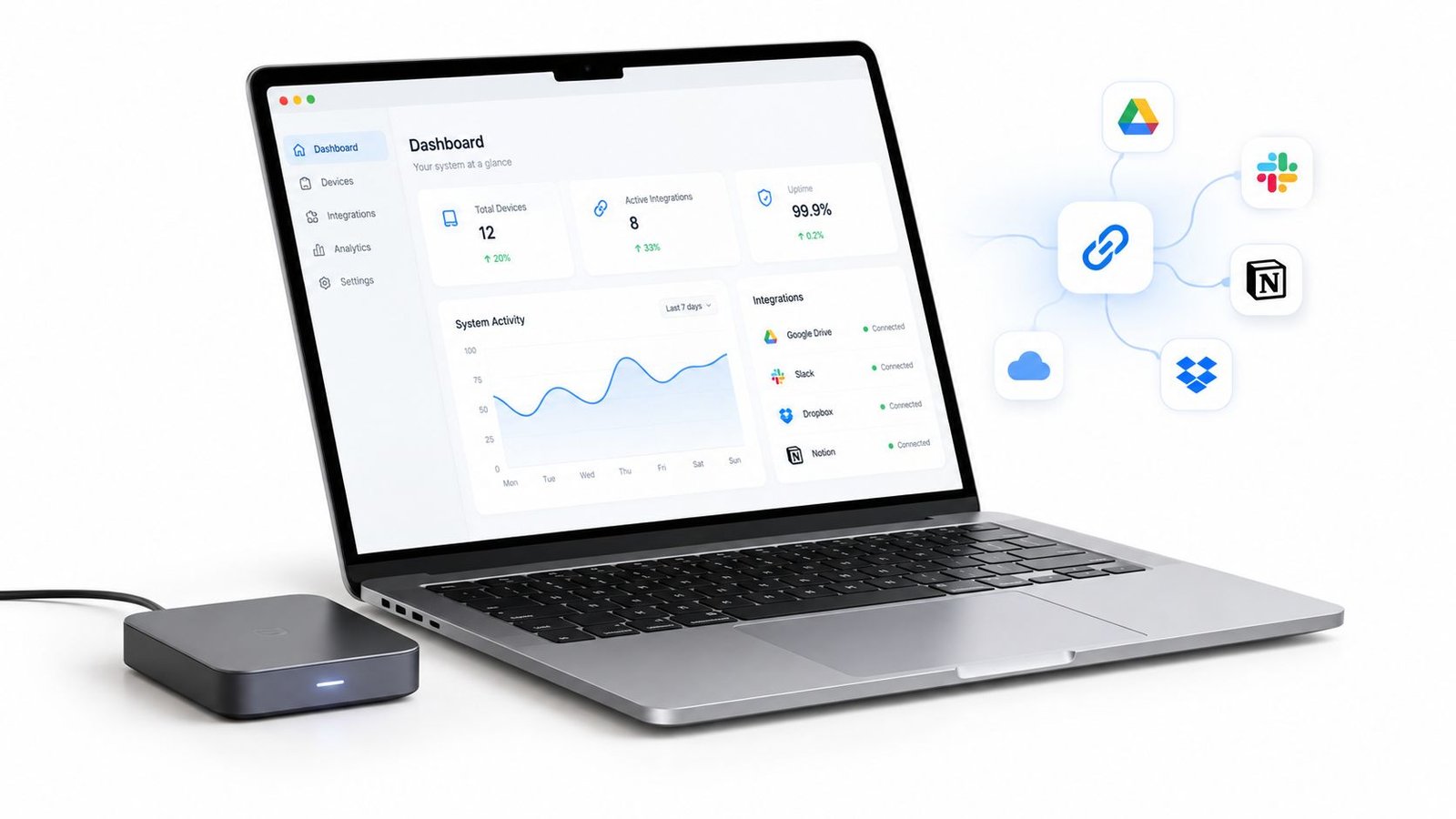
Software earns attention by changing a workflow. A WordPress plugin can add a missing site function, a browser extension can reduce repetitive research, a Zapier integration can connect two services, and a desktop or mobile app can turn a manual task into a repeatable process. Buyers assess these products by reliability, compatibility and time saved, not by the novelty of the interface.
This category offers stronger differentiation than many downloadable products because a tool can address a narrow operational problem. It also creates more demanding obligations. Code needs testing, documentation, bug fixes and compatibility checks. A platform update can break a previously stable integration, and buyers expect a clear route to help when something stops working.
Sell the workflow, not the feature list
The OfferLink preview should explain the task the tool handles, the workflow before and after, supported platforms, technical requirements, installation steps and support boundaries. Screenshots should show the product in context. If access involves a licence, account or recurring arrangement, the seller needs to explain that plainly and avoid promising a support level that cannot be maintained.
A seller may use AmaJova to present the offer through a professional link, but the product page still needs to explain the software itself. AmaJova doesn't replace testing, documentation or technical support. It can help keep the offer description, checkout and order-linked fulfilment in one place, provided the seller defines the access process accurately.
The video editing app stack from LesFM illustrates the kind of practical context buyers look for when choosing tools. A software offer should provide the same clarity, showing where the product fits rather than presenting isolated features.
6. Photography and Videography Presets
Presets package a recognisable editing approach. Lightroom settings, Capture One adjustments, camera profiles, video colour grades and visual-effects templates help photographers and videographers work faster and create consistency across a body of work.
The seller needs genuine editing expertise to make presets useful. A preset that looks attractive on one carefully selected image may fail on a different camera, subject, exposure or lighting condition. Buyers value packs that acknowledge this variation. Different moods or lighting scenarios, installation guidance, preview images and short demonstrations can make the product easier to assess.
Demonstrate the range honestly
A preview should show before-and-after examples from more than one type of image where relevant. It should state the compatible software, file types, supported camera profiles or colour spaces, and whether the buyer receives installation instructions. If the result depends heavily on manual adjustment, that should be explained rather than hidden.
Presets scale well because the files are small and can be downloaded repeatedly without physical fulfilment. The market is crowded, though, and free presets are widely available. A signature style, a clearly defined audience and strong education around application create more defensibility than a vague promise of “professional edits”.
The seller should also explain what the pack won't do. Presets can speed up a workflow, but they can't correct every exposure, composition or lighting issue. Buyers who understand that boundary are more likely to see the product as a practical tool rather than a failed promise of one-click transformation.
7. Music, Sounds and Audio Resources
Audio products include background music, sound effects, loops, ambient soundscapes, voice samples and production libraries. They serve podcasters, video producers, game developers, advertisers and other creators who need sound that fits a project without negotiating a new licence for every use.
The commercial value depends on both sound quality and rights clarity. Files should be supplied in formats suited to the intended workflow, such as MP3, WAV or FLAC where appropriate. Categories based on mood, instrument, duration or use case make a library easier to search. Metadata helps buyers identify and organise tracks after download.
Treat licensing as a buying decision
“Royalty-free” doesn't mean “without conditions”. The offer should explain where the buyer can use the files, whether client projects are covered, whether paid adverts are permitted, whether attribution is required and whether the buyer may register a finished work with a rights-management service. A plain licence summary is more useful than a decorative badge.
Free libraries, including the YouTube Audio Library, create a clear comparison point. A paid collection needs to offer a distinct sound, stronger curation, a specialised genre or more dependable licensing information. A large bundle isn't automatically better if buyers struggle to find the right track.
The OfferLink preview should include audio samples, file formats, categories, licence scope and delivery instructions. Sellers should avoid implying that every buyer will receive unrestricted commercial rights unless the written terms genuinely provide that permission.
8. Consulting Reports and Industry Research
A consulting report turns expertise and evidence into a decision aid. Businesses may buy market analysis, trend research, competitor reviews, technical assessments or an industry briefing when internal teams need a structured view of a question.
The report has to show its analytical method. Original research can add value, but curated synthesis can also be useful when the seller selects credible sources, explains limitations and draws practical implications. A strong document usually includes an executive summary, charts or tables, supporting analysis, recommendations and a clear distinction between observed evidence and editorial interpretation.
Make the evidence inspectable
The OfferLink preview should state the research question, intended audience, publication date, coverage, methodology, data limitations, contents and update policy. If the report uses third-party data, citations should be visible. Buyers need to know whether they're purchasing original research, a synthesis of public material or a professional opinion.
Research products require more care than generic educational downloads. A report can influence commercial decisions, so unsupported claims damage both the product and the seller's reputation. The seller should avoid promising a particular business outcome and should describe how the report is intended to inform judgement.
For transaction expectations, sellers can review AmaJova's seller protection policy. The report page itself should still define delivery, file access, revision handling and support. A buyer may need clarification about methodology, but they shouldn't have to ask what the product contains or whether a later edition is included.
9. Membership Communities and Access Passes
Memberships sell continued access rather than a finished file. The offer might include a private community, a content library, group calls, regular Q&A sessions, member-only resources, early access or discounts on related products. It suits educators, coaches and creators who can maintain a useful relationship with a defined audience.
The recurring model can produce deeper engagement, but it also creates a recurring delivery obligation. A seller who can create one excellent guide may not have the capacity to publish regularly, moderate discussions and answer member questions. A quiet community or irregular content schedule quickly changes the buyer's perception of value.
Define the rhythm before asking for commitment
A membership preview should specify what happens, how often it happens, where it happens and what direct access means. “Private support community” is insufficient if the buyer doesn't know whether that means written replies, group calls, office hours or peer discussion. The seller should state response boundaries and explain whether recordings, archives or replays are included.
Access can be offered on a monthly, quarterly or annual basis, but the payment interval isn't the value proposition. The value comes from a dependable rhythm and a relevant member experience. New content should serve the stated outcome, not merely fill a publishing calendar.
AmaJova's guidance on selling online can help with offer definition. The OfferLink should make clear what buyers receive immediately, what arrives later, how access is granted and what support sits outside the membership. That clarity protects capacity as much as it reassures buyers.
10. Writing, Copywriting and Content Resources
Writing resources help buyers produce business content without starting from a blank page. Examples include email sequences, sales-page frameworks, social media calendars, brand voice guides, subject-line libraries and ready-to-edit campaign copy.
The best products combine usable material with enough context to prevent careless copying. A welcome sequence should identify its intended customer journey. A content calendar should explain how to select topics and adapt them to a brand. A persuasion framework should show the reasoning behind the structure, not just provide labels such as “problem, agitation, solution”.
Give buyers implementation context
This category is easy to enter and difficult to differentiate. Generic prompt packs and recycled swipe files compete on low price, while specialised resources can command attention by addressing a specific industry, funnel stage or communication problem. The seller's own editing skill is the main quality control.
The OfferLink preview should show sample copy, file formats, included variations, intended use, editing expectations and any rights restrictions. It should also say whether the buyer receives a finished asset, a framework, or both. Buyers need to understand whether they can use the materials for clients and whether redistribution is prohibited.
A useful resource doesn't promise that every business will achieve the same result. It gives the buyer a sound starting point, explains how to adapt it and makes the limits visible. That combination is more credible than claims about guaranteed conversion or effortless growth.
Comparison of 10 Digital Product Types
| Product | Implementation complexity | Resource requirements | Expected outcomes | Ideal use cases | Key advantages |
|---|---|---|---|---|---|
| Online Courses and Educational Content | High, course design, video production | Significant time, recording/editing tools, platform | Scalable passive income, authority building, mixed completion rates | Skill training, certification, in-depth instruction | High perceived value, repeatable at scale |
| Templates, Frameworks and Tools | Low–Medium, design and testing | Design software, domain knowledge, testing | Quick sales, time-saving outcomes for buyers | Business workflows, planners, freelancers | Fast to create, low maintenance, instant delivery |
| eBooks and Written Guides | Medium, writing, editing, layout | Writing/editing skills, formatting tools, visuals | Thought leadership, reference sales, scalable copies | Niche guides, industry reports, how‑tos | Relatively quick to produce, offline access, credible |
| Design Assets and Graphics | Medium, creative design and packaging | Design apps, mockups, licensing clarity | Multiple purchases, branding support for buyers | Logos, icons, templates, social visuals | Repurposeable assets, low ongoing effort, high demand |
| Software Tools, Plugins and Apps | Very high, development and QA | Developer skills, hosting, support, ongoing updates | Premium sales, subscriptions, high user expectations | Automation, integrations, productivity enhancements | High pricing potential, recurring revenue, strong utility |
| Photography and Videography Presets | Low–Medium, style creation and testing | Editing software, sample files, preview images | Scalable downloads, aesthetic consistency for projects | Photographers, influencers, ecommerce visuals | Quick to produce, highly scalable, consistent results |
| Music, Sounds and Audio Resources | Medium, production and mastering | DAW, recording gear, licensing and metadata | Bundle sales, repeat purchases for projects | Podcasters, video producers, game developers | Strong demand, bundle opportunities, low marginal cost |
| Consulting Reports and Industry Research | High, data collection and analysis | Data sources, analysts, time, professional design | Premium pricing, actionable insights, credibility | Strategic planning, investors, enterprise decision makers | Commands premium, differentiates expert authority |
| Membership Communities and Access Passes | Medium–High, ongoing content and moderation | Community platform, regular content, management time | Predictable recurring revenue, higher lifetime value | Coaching cohorts, niche communities, ongoing education | Recurring revenue, strong engagement, retention potential |
| Writing, Copywriting and Content Resources | Low–Medium, craft templates and frameworks | Copywriting expertise, examples, editable files | Immediate implementation, boosts conversions | Email sequences, sales pages, social campaigns | Highly actionable, quick to use, solves business needs |
Turn the Best Example Into a Clear Offer
The right digital product example depends on the relationship between expertise, audience need and fulfilment capacity. A course suits a seller who can teach a process in sequence. A template suits a buyer who wants to act quickly with a tested starting point. An eBook suits readers who value depth and reference. Design assets, presets and audio resources suit creators who need reusable components, while software earns its place by changing a workflow.
The strategic difference between product types is just as important as the format:
- One-off downloads are easier to fulfil and explain, but they need a sharp use case and strong differentiation.
- Access-based products can support an ongoing relationship, but the seller must define access, updates and support precisely.
- Software can solve a valuable operational problem, but it brings maintenance, compatibility and documentation obligations.
- Recurring communities depend on consistent participation, useful programming and realistic boundaries, not merely a private channel.
UK buyers already place meaningful value on digital utility. ESCoE's UK study of free digital goods found that willingness to accept their loss increases with usage intensity, which supports a practical conclusion for sellers. Habitual usefulness and perceived dependency influence value, so a product that becomes part of a buyer's workflow may be stronger than one that merely looks substantial. The ESCoE study provides the underlying UK valuation context.
Sellers should also treat trust and fulfilment as part of the product. The UK Consumer Rights Act 2015 provides specific remedies for digital content. Where a trader has no right to supply the content, the consumer is entitled to a refund of the money paid, or the affected portion where only part of the content is involved. The refund must be made without undue delay and within 14 days of the trader agreeing it's due, using the same payment method unless the consumer agrees otherwise, with no fee charged for issuing it. Section 45 of the Consumer Rights Act 2015 sets out this remedy.
Before publishing, the seller should:
- Define the buyer and outcome: Name the audience, starting problem and useful change the product supports.
- Specify inclusions and access: List files, modules, calls, software requirements, delivery steps and update terms.
- Prepare a credible preview: Show screenshots, sample pages, audio, video, workflows or examples that make quality assessable.
- State compatibility and licensing: Identify supported applications, file formats, commercial-use rights and restrictions.
- Set support boundaries: Explain response channels, troubleshooting limits, customisation exclusions and what isn't included.
- Publish a clear OfferLink: Put scope, price, checkout expectations and order-linked fulfilment in one place.
AmaJova offers OfferLink pages for digital products, services, physical products and live sessions. A seller can use one professional link to present the offer, structured expectations, checkout and order-linked fulfilment, rather than scattering instructions across messages and separate pages. That can suit a downloadable guide, a template pack, a course access product or a live educational session, provided the seller describes the actual fulfilment accurately.
The same principle applies to emerging formats. A seller reviewing Veo3 AI generative AI examples may spot an opportunity for prompts, workflows, training or production assets. The opportunity still needs to pass the same test: does it solve a defined buyer problem, and can the seller deliver and support it without making the offer unclear?
AmaJova helps sellers present digital products, services, physical products and live sessions through one structured OfferLink with checkout and order-linked fulfilment. For a clearer way to package one of these digital product examples and set expectations before payment, visit AmaJova and create an offer that tells buyers exactly what happens next.