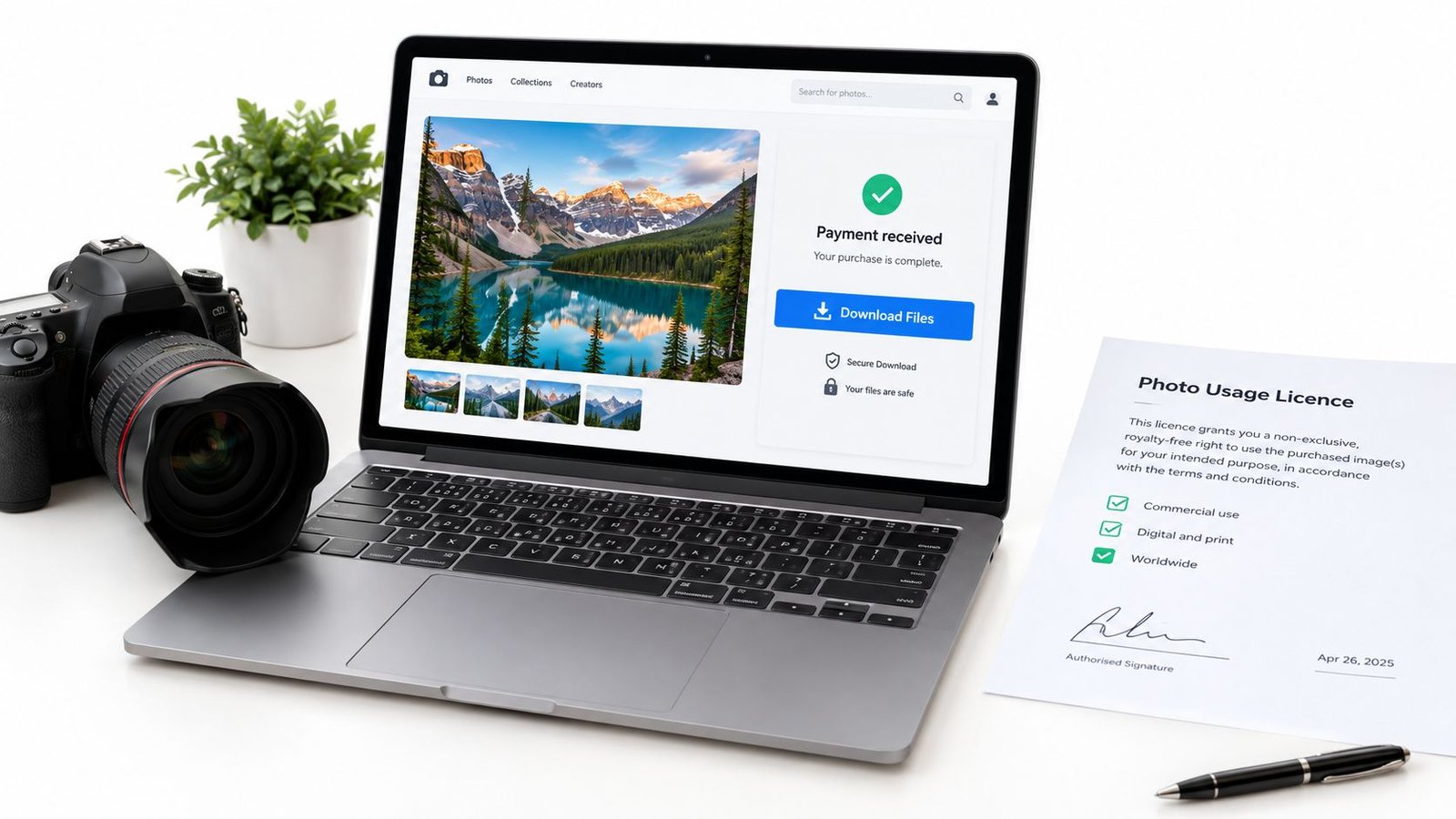
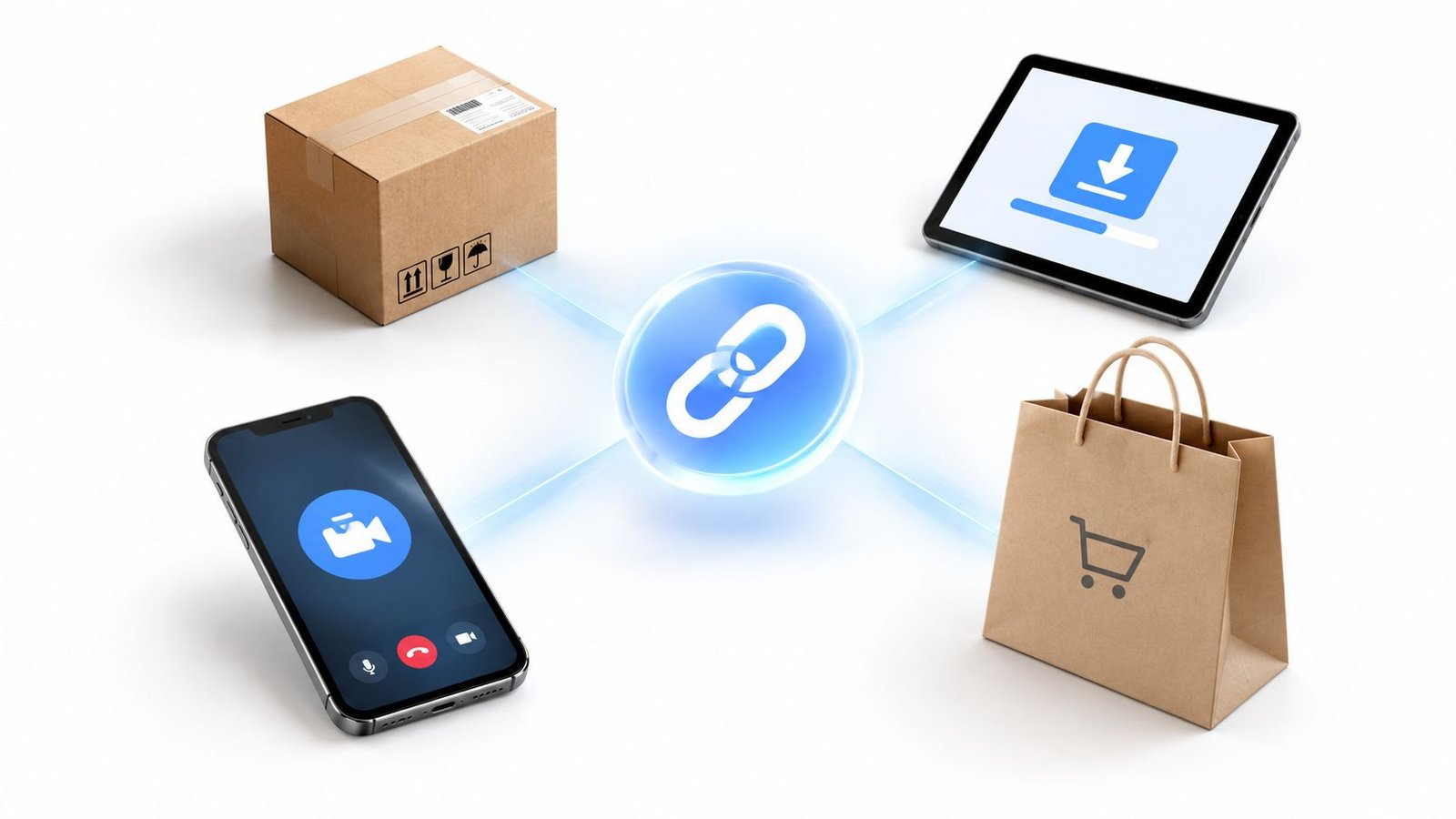
A freelance illustrator may sell a custom artwork commission through one email address, a downloadable tutorial through another checkout page, and a live critique session through a booking tool. Buyers then receive different instructions, payment confirmations and delivery messages, while the seller maintains several spreadsheets to work out what has been paid, delivered or scheduled.
That arrangement can work for a while, but it creates unnecessary effort and weakens the buying experience. An online selling platform gives independent sellers a way to present different offers through a more organised process. The most useful alternative isn't always a full ecommerce website or a large marketplace. For many sellers, a single professional offer link can connect products, services, downloads and live sessions to one transaction record.
Table of Contents
- The Reality of Selling Online Today
- How Online Selling Platforms Work
- Types of Platforms Available to Sellers
- What You Can Sell Using a Single Link
- Pros and Cons of Different Approaches
- Getting Started with Your Selling Platform
The Reality of Selling Online Today
A small creative business often grows in pieces. A designer starts with custom logo work, adds a paid template pack, then begins hosting live portfolio reviews. Each offer has a different fulfilment method, but buyers still expect one clear answer to a simple question: what happens after payment?
Without a unified system, the answer may depend on the offer. A service buyer receives an email with a form, a digital-product buyer receives an automated download, and a live-session buyer receives a calendar invitation. The seller may use separate payment accounts, inboxes and tracking documents. None of those tools necessarily gives the seller a complete view of the relationship with the buyer.

The UK is already a mature environment for online commerce. Internet sales represented 28.3% of total retail sales in Great Britain in December 2025, compared with 28.0% in November and 28.1% in October, according to the Office for National Statistics retail sales release. Online sales values were also 11.1% higher than in December 2024, while online spending values rose 8.4% in Q4 2025 compared with Q4 2024.
That context changes the role of an online selling platform. It isn't merely a convenient page for hobby sellers. It can become the operating layer between an offer, a payment and the work required to fulfil the order.
Fragmentation creates practical risk
A seller may remember to send a file but forget to send the usage terms. A service provider may accept payment before defining the number of revisions. An educator may promote a live session in several places but fail to update the joining instructions after changing the date.
These problems don't always come from poor organisation. They often arise because the sale, the conversation and the fulfilment record live in different places.
Practical rule: A buyer should be able to understand what is included, what happens next and where support is available without searching through several channels.
The earlier expansion of online selling infrastructure shows why this matters. UK businesses in the non-financial sector recorded £459.2 billion in total website sales in 2021, an increase of £102.8 billion compared with 2019, according to the UK Government's ecommerce and digital trade insights. Independent sellers now operate in an environment where online transactions are central, but they don't necessarily need the same complex stack as a large retailer.
How Online Selling Platforms Work
At its simplest, an online selling platform connects four things: an offer, a buyer, a payment and a fulfilment action. The platform provides the structure, while the seller supplies the product, service or experience.
A practical workflow looks like this:
- The seller defines the offer. The page explains the title, price, inclusions, exclusions, delivery method and any conditions. A custom illustration might specify the file format and revision boundaries. A live workshop might state the date, duration and joining process.
- The seller publishes one destination. The link can appear in a social profile, email campaign, message, advert or existing website. Buyers don't need to browse through a general catalogue to find the relevant item.
- The buyer reviews the terms before payment. A clear order summary reduces uncertainty, especially when the purchase involves a service or a scheduled experience rather than a parcel.
- The platform records the transaction. The payment record, messages, delivery or access steps and completion status should remain connected to the order.
- The seller fulfils the purchase. Fulfilment may involve dispatching stock, sending a download, replying to a brief or hosting a live session.
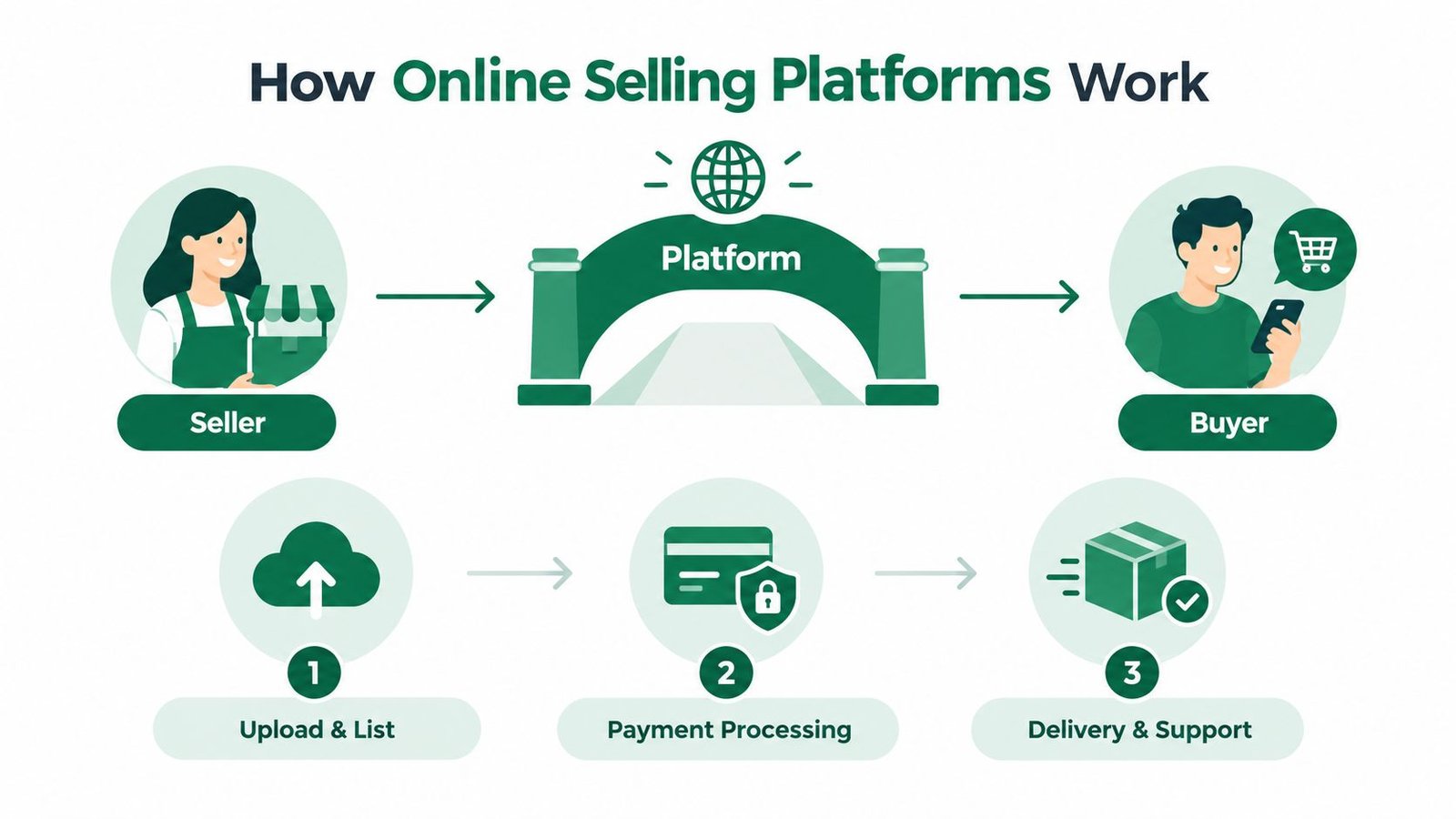
The reason for separating these steps is clarity. A product listing answers what the buyer receives. Checkout confirms the financial part of the transaction. The order record then gives both sides a place to follow what happens afterwards.
The offer page does more than display a price
A weak page says, “One-hour consultation, £100,” and leaves the buyer to guess what preparation is required, what the call covers and whether follow-up support exists. A stronger page describes the outcome in practical terms, lists the inclusions and sets boundaries before the payment step.
The same principle applies to physical products. A seller should describe the item, condition, dispatch expectations and any relevant options. Digital products need clear access instructions and information about the format. Live sessions need dates, time zones, attendance details and any recording arrangements.
Visual presentation also affects comprehension. Sellers preparing product or service imagery can use on-model imagery with Picjam to create a more recognisable presentation, provided the images accurately represent the offer and don't mislead buyers.
An online selling platform doesn't remove the seller's responsibility to write precise terms or deliver the purchase. It makes the process easier to organise by placing the commercial promise and the next action closer together. Platform-specific setup information can be reviewed through AmaJova's explanation of how its process works, alongside the terms and policies that apply to that service.
Types of Platforms Available to Sellers
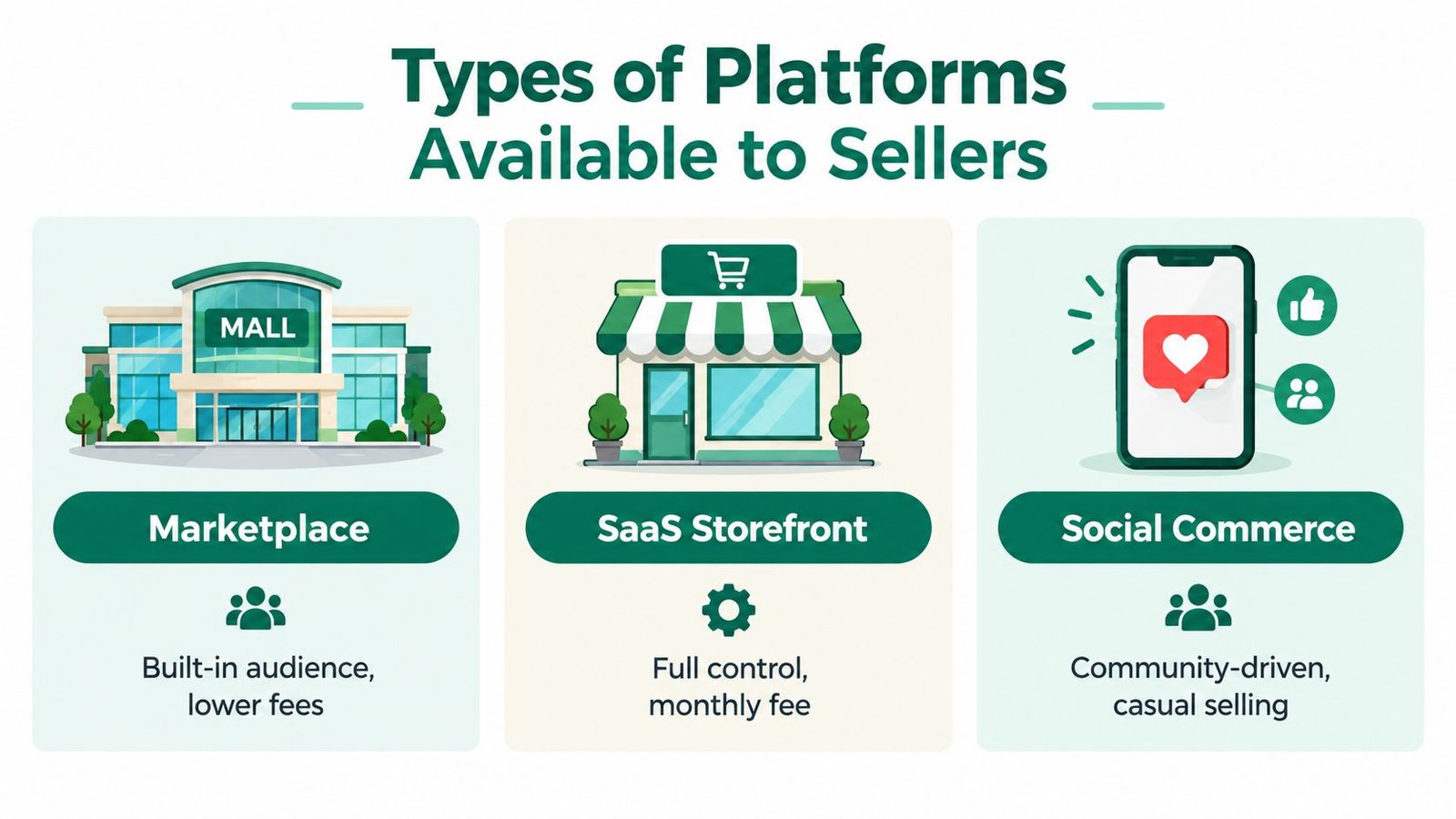
The right platform depends on the seller's main constraint. A retailer with many products may need catalogue controls and stock management. A consultant may need a simple way to explain scope and collect payment. A creator selling across social channels may value a link that works consistently wherever it appears.
Full ecommerce storefronts
A traditional ecommerce platform gives the seller a branded website with product pages, navigation, collections and often a broad ecosystem of extensions. This model suits a business that needs a permanent shop rather than a small set of focused offers.
The advantages are control and depth. A seller can shape the customer journey, organise a catalogue and add operational tools as the business develops. The trade-off is management. The seller may need to handle design, hosting, apps, analytics, stock processes, content updates and technical maintenance.
This approach can be excessive for a coach with two paid sessions or an illustrator with one commission package and a small download library. A large storefront can also distract from the more important task of defining what each buyer receives.
Marketplaces
A marketplace places seller listings inside a larger destination where buyers are already searching. Examples include eBay for broad product categories, Etsy for handmade and vintage goods, and specialist resale platforms for selected products.
Marketplaces can help with discovery, but the seller accepts more rules and less control over the surrounding experience. Search ranking, category requirements, fees, review systems and dispute processes are usually governed by the marketplace. A seller also competes beside similar offers, which can shift attention towards price.
A useful illustration comes from the way large marketplace businesses approach promotion. Sellers studying how Shopee scaled ads can see why marketplace visibility often involves more than just publishing a listing. For a small independent seller, paid exposure may be useful, but it should be assessed alongside margins, fulfilment capacity and the quality of the offer itself.
Social commerce and offer links
Social commerce uses content, communities and conversations to generate interest. It can feel natural for creators whose buyers already follow tutorials, product demonstrations or live broadcasts. The drawback is that social platforms are designed primarily for attention and interaction, not always for a complete, durable order record.
An offer-link platform takes a different position. Instead of building a full shop or relying on a marketplace search page, the seller creates a focused destination for a specific purchase. That link can support a service, physical product, digital item or live session, while keeping the explanation of the offer close to checkout.
| Platform type | Typical strength | Main trade-off | Suitable starting point |
|---|---|---|---|
| Full ecommerce storefront | Broad control and catalogue depth | More setup and ongoing management | A growing retailer with many products |
| Marketplace | Existing buyer discovery | Less control over branding and rules | A seller seeking category-specific demand |
| Social commerce | Community interaction and content-led discovery | Orders may become scattered across channels | A creator with an active audience |
| Single offer link | Focused presentation and a central transaction path | Less suitable for complex catalogue operations | A freelancer, educator or small seller with defined offers |
The strongest choice may be a combination. A seller can use social content for attention, a marketplace for category discovery and a single offer link for a service or mixed offer that needs more explanation.
What You Can Sell Using a Single Link
A single link becomes useful when the seller treats each offer as a clear promise rather than as a generic listing. The link should tell the buyer what is being purchased, what the seller will do next and what evidence of completion will exist.
A physical product may require a description, available options, delivery expectations and post-purchase support. A digital product needs a reliable access method, file details and any usage limits. A service needs scope, inputs, turnaround expectations and boundaries. A live session needs scheduling information, attendance instructions and a clear explanation of what participation includes.
| Offer Type | Delivery Method | Typical Use Case |
|---|---|---|
| Physical product | Dispatch, tracking or arranged handover | Prints, handmade goods, equipment or merchandise |
| Digital product | Download, online access or delivery message | Templates, guides, audio files or educational resources |
| Service | Brief, messages, documents or completed work | Design, consulting, editing or coaching |
| Live session | Booking details, joining instructions and attendance | Workshops, group teaching, demonstrations or reviews |
Mixed offers need separate expectations
A seller could combine a downloadable preparation guide with a live workshop. The buyer receives a file first, then attends the scheduled session. The offer page should explain both parts, including whether the guide is essential preparation and whether the session can be attended later.
Another seller could offer a physical art print with a short recorded tutorial. That package has two delivery paths, so the order record should distinguish the parcel from the digital access. Otherwise, a buyer may think the missing download means the entire order has failed.
Services require particular care because the buyer cannot inspect the finished result at checkout. The page should identify the deliverable, the information the buyer must supply, the number of included revisions where relevant, and the point at which the work is considered complete. The AmaJova resource on selling digital products offers a relevant reference for sellers designing structured digital offers.
A single link should simplify the buyer's decision, not hide the detail behind it.
The transaction record matters because different fulfilment types create different support questions. A buyer may ask whether a parcel has been sent, a file can be accessed, a brief has been received or a live session has been rescheduled. Keeping those questions connected to the order reduces the chance that a seller loses context between inboxes and spreadsheets.
Pros and Cons of Different Approaches
The choice between a storefront, marketplace, social channel and single offer link is a choice between different types of control. No model removes the need for a well-defined offer, accurate fulfilment and dependable customer communication.
A full storefront gives the seller the broadest control over navigation, branding and catalogue structure. It can support a business that needs many products and repeat browsing. It also introduces more decisions and maintenance. A seller may spend time improving the shop architecture when the immediate problem is just that buyers don't understand one service package.
A marketplace provides access to an established shopping environment. It can be effective for physical goods where buyers search by category, style or product type. The seller gives up some control over presentation and must follow the marketplace's requirements. Competition can also make price and visibility central to the sale.
Social commerce works well when trust develops through demonstrations, conversation and regular content. It can make a service or product feel personal, particularly during a live presentation. Social activity alone isn't a complete fulfilment system, however. A seller still needs a clear path from interest to payment and from payment to delivery.
Trust and friction affect the final step
UK checkout performance is sensitive to confidence and friction. One UK benchmark places checkout completion at 60% to 80% of initiated checkouts, while a result below 50% signals meaningful friction or a trust problem, according to Fena's analysis of UK checkout abandonment. The practical response is clear pricing, familiar payment methods, visible policies and an order summary that matches the offer page.
Security perception also affects future behaviour. One survey found that 17% of UK customers felt retailers were doing enough to prevent ecommerce fraud, and 67% said they would stop buying again from a shop after an account compromise, as reported in research published by Business Wire. These figures don't prove that one platform will solve fraud, but they show why transaction records, protection information and dispute routes deserve attention.
A single offer link usually offers less customisation than a fully built storefront. Its advantage is proportion. For an independent seller with a defined range of services, products, downloads or sessions, a focused system may provide enough structure without creating a second job in website administration.
Getting Started with Your Selling Platform
The first step is to choose the operating model before choosing a tool. A seller should list the actual offer types, identify the fulfilment action for each one and decide whether discovery, branding or simplicity is the primary need.
A practical starting sequence is:
- Choose one offer. Begin with the product, service, download or live session that has the clearest value and the fewest moving parts.
- Write the buyer-facing promise. State what is included, what isn't included, the price, the delivery method and the expected next step.
- Prepare fulfilment before publishing. A seller should have the file, dispatch process, booking availability, service brief or joining instructions ready before accepting payment.
- Test the complete journey. Check the page, order summary, payment confirmation and post-purchase instructions from a buyer's perspective.
- Record support questions. Repeated questions reveal where the offer page needs clearer wording.
Legal and tax responsibilities depend on the offer, buyer location and business circumstances. UK sellers should review the Consumer Contracts Regulations 2013 before selling services or digital content. In general, the cancellation period for a service contract or digital content not supplied on a tangible medium ends 14 days after the contract is entered into. Digital supply during that period requires the consumer's express consent and acknowledgement that the cancellation right will be lost.
VAT planning also needs current information. HMRC states that the UK VAT registration threshold is £90,000 of total taxable turnover, with registration required when taxable turnover for the last 12 months goes over that amount, as explained in HMRC's VAT threshold guidance. Subscription sellers should also review the Digital Markets, Competition and Consumers Act 2024, which includes end-of-contract notice and refund requirements for relevant subscriptions.
A practical overview of planning, publishing and managing an online offer is available in this guide to selling online. The platform should be selected only after the seller has checked its current fees, payment terms, support process, legal policies and fulfilment capabilities.
AmaJova turns services, physical products, digital products and live sessions into a single OfferLink with secure checkout, structured expectations and an order record that connects payment, communication and fulfilment. Sellers can review the available approach and decide whether AmaJova fits the way their offers need to be presented and delivered.