People often sit down to sell online with a half-formed idea and a blank page. The harder part isn't finding something to make, it's choosing a format that fits the knowledge already in hand, the buyer's likely objections and the level of effort that's sensible for a first test. The best digital product ideas are usually the ones that solve a narrow problem clearly, then prove demand before the creator disappears into weeks of production.
That matters in the UK because the market is already digital. The UK Digital Economy generated £286 billion in annual GVA in 2024, equivalent to around 13% of total UK national-accounts GVA, with 2.93 million people working in the sector and 311,800 active enterprises, most of them small businesses (UK Digital Economy framework). In other words, there's room for independent sellers who package expertise into something downloadable, repeatable and easy to understand.
Table of Contents
- 1. Ebooks and Written Guides
- 2. Templates and Spreadsheets
- 3. Printables, Planners, Trackers and Wall Art
- 4. Self-Paced Online Courses
- 5. Audio Products
- 6. Design Assets Fonts, Graphics and Presets
- 7. Digital Tools Calculators, Checkers and Small Software
- 8. Paid Newsletters and Membership Communities
- 9. Assessments, Audits and Diagnostic Tools
- 10. Stock Photography, Illustration and Licensed Digital Art
- 11. Why the Best Ideas Are Usually the Boring Ones
- Digital Product Ideas: 10-Point Comparison Guide
- Choose One Idea and Test It This Month
1. Ebooks and Written Guides
A solid ebook answers one narrow problem well. It might cover client proposals, product launch planning, or beginner-friendly tax admin, but the point is the same, buyers want something they can save, search and return to later. For independent writers, consultants and educators, that makes it one of the easiest digital product ideas to test.

The weak point is easy to spot. Many ebooks are vague, padded or close to free blog posts. Buyers will not pay for broad promises. They pay for clarity, a usable structure and enough trust to believe the file will do what it says.
Make the offer feel concrete
State the page count, file format and intended reader on the sales page. Include a sample chapter or a table of contents so buyers can see the shape of the product before they pay. If the content will be revised, explain how updates will work, even if the process is simple.
Practical rule: if the title does not name the outcome, the guide is probably not specific enough yet.
A clean way to test demand is to sell the outline before you build the full book. Put up a short landing page, share a chapter summary and ask whether readers want the finished guide in PDF or EPUB. If people respond to the problem but hesitate at the title, the topic may be useful but the angle still needs sharpening. For book-style positioning examples, this book-selling resource from AmaJova and Tutorial AI authoring examples show how authoring tools are compared.
2. Templates and Spreadsheets
A buyer usually wants a faster start, not a blank file. A freelance invoice sheet, a client onboarding form or a Notion workspace saves time because the structure is already there. That makes templates one of the most practical digital product ideas for service businesses and operations-minded creators.
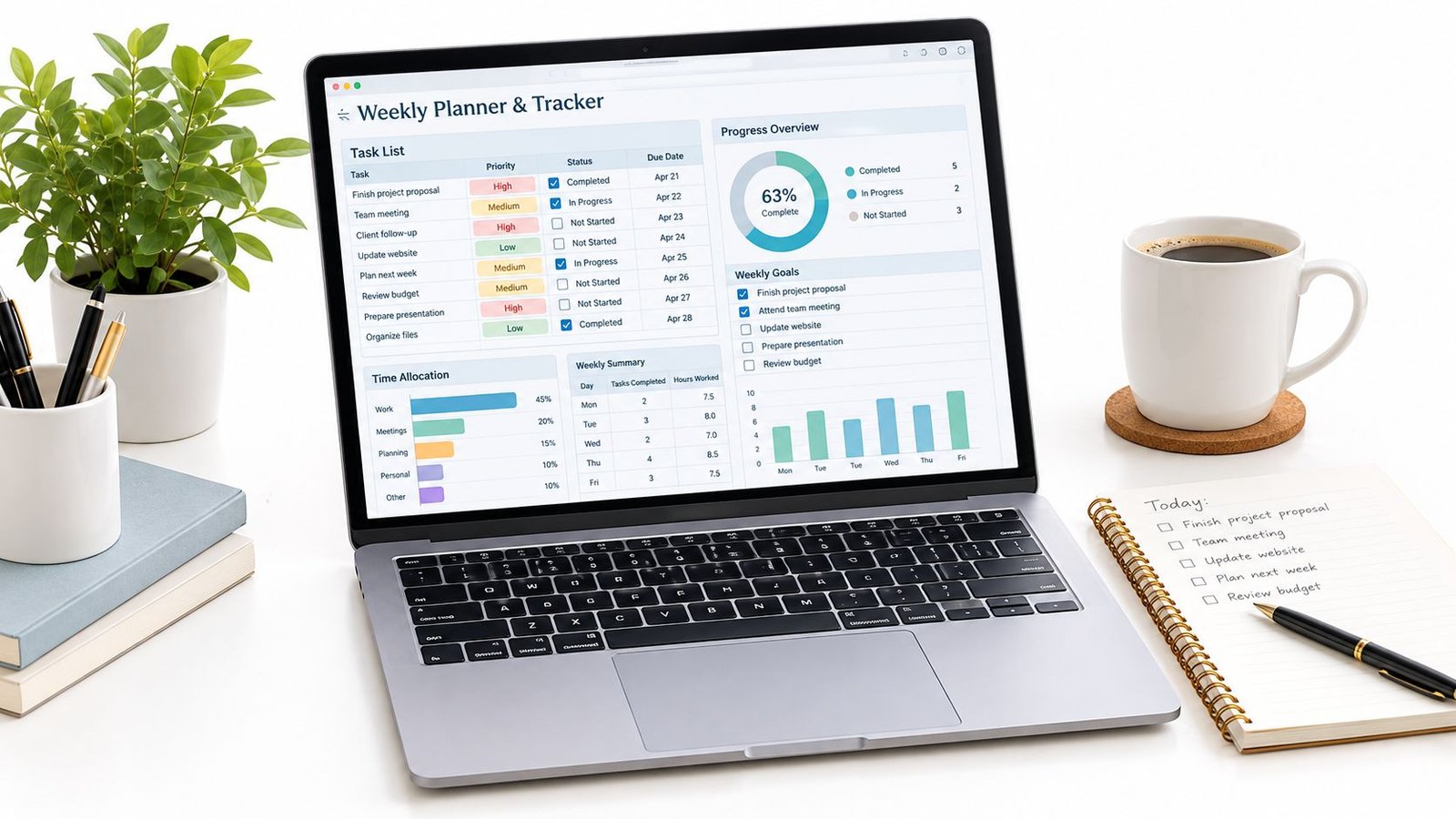
The weak point is clarity. If a spreadsheet only works after a buyer changes six formulas and three linked tabs, it is homework, not a product. Buyers should see the payoff within minutes, or they will move on and ask for support before they have even used it.
Build for fast adoption
Spell out the required software, the version, and whether the file works on free plans. Add a short instruction page or a brief walkthrough video so buyers are not left guessing. Then open a fresh copy and test every formula, link and dropdown as a first-time customer would.
For service businesses, the strongest angle is usually one narrow task. A structured service agreement template for UK sellers on AmaJova shows the value of stating exactly what the buyer gets and how to use it. The same clarity principle applies across formats, and the Just Cook It protein recipes digital cookbook shows how a well-scoped product tells the buyer exactly what is included.
A practical validation step is to sell the problem, not the file name. “Track freelance invoices and payment status in one sheet” is easier to test than “premium productivity system.” If people understand the task straight away, you are close. If they need a long explanation, the product is probably too broad.
3. Printables, Planners, Trackers and Wall Art
Printables work when the buyer wants a physical object but not a physical shipment. That includes planners, habit trackers, lesson sheets, workout logs and decorative prints. The creator designs once, then the customer prints at home or at a local print shop. For visual creators, this is one of the most approachable digital product ideas because the production process is familiar and the usage is immediate.
The common weakness is poor presentation. A printable that looks polished on screen but awkward on paper feels disappointing the moment it's printed. Buyers also need the basics up front, especially page size, file type and licence terms, because confusion around printing rights causes avoidable friction.
Buyers usually judge printables by whether they can imagine them in their hands, not by how clever the concept sounds.
The simplest demand test is a preview-led offer. Show the finished page in real scale, not just as a mock-up, and include versions for A4 and US Letter if the audience is international. If the printable is a planner or tracker, post one sample spread and ask whether people want a full set or just a single page. That kind of pre-sale feedback tells you whether the audience wants a complete system or a single-use sheet.
Licence wording matters more here than many sellers expect. Say clearly whether the file is for personal use only, or whether commercial printing is allowed. That single sentence can save a lot of back-and-forth after checkout.
4. Self-Paced Online Courses
A self-paced course is a structured teaching product with a clear path, usually video plus worksheets, quizzes or downloads. It suits experts who can teach a skill in depth and want to scale beyond live sessions. It's also one of the more demanding digital product ideas, because buyers expect the lessons to feel organised, paced and worth revisiting.

The trade-off is time. Courses can carry higher perceived value, but they also demand tighter planning, better production and more support. A rambling course with long intros and scattered modules burns goodwill quickly. Buyers want momentum, not a lecture series that feels like archive footage.
Start with the outcome, not the syllabus
Define the learning outcome in one sentence. Then list the number of lessons, the approximate duration and any downloads that come with the course. Keep early lessons short and practical so learners feel progress quickly. For course creators, this course-selling resource from AmaJova is useful context for how a structured offer needs to read.
A simple demand test is to release a sample lesson before building the full curriculum. If people finish the sample and ask what happens next, the topic probably has enough pull. If they only ask for the slides, the content may be better suited to a smaller download or a workshop replay.
5. Audio Products
Audio products include guided sessions, narrated training, language lessons and sound packs for producers. They're attractive because buyers can listen while commuting, exercising or working, and creators can often produce them with less overhead than video. That makes them a smart entry point when the audience values convenience over visual detail.
The biggest weakness is overclaiming. Relaxation audio can be fine as a product, but anything that implies medical or therapeutic outcomes needs caution and, where relevant, proper professional input. Even when the topic is harmless, vague track titles and poor audio quality make the product feel amateur.
Keep the promise narrow
Describe each track factually. Give the running time and file format on the page, and record in a quiet, treated space so the result sounds intentional rather than improvised. If background music or samples are used, confirm the licence allows resale.
A strong validation move is to release one track first. A single guided meditation, a pronunciation lesson, or one producer loop pack can reveal whether the audience wants a full series. If buyers ask for more tracks in the same style, the next release is easier to justify. If they ignore the audio but engage with the topic, the format may be wrong even if the idea is solid.
6. Design Assets Fonts, Graphics and Presets
Design assets are bought for speed. Fonts, icon sets, vector graphics, social templates, mock-ups, brushes and photo presets help other people make better-looking work without starting from scratch. That means the product is rarely about pure creativity alone, it's about usefulness, consistency and a licence buyers can understand.
The weakness here is licensing confusion. Buyers need to know what they're allowed to do with the files, and they need the terms in plain English. A beautifully designed pack with unclear permissions can create support headaches that wipe out the benefit of selling reusable assets.
Make usage obvious
Write the licence terms in plain English. Spell out what buyers may and may not do, then show the file formats and the software each file supports. A preview sheet is worth the effort because people want to see how the asset behaves in a real design, not just how it looks as a thumbnail.
The simplest demand test is to upload a small bundle first. A single font pair, a short icon set or a mini preset pack can show whether your audience prefers a specific visual style or a broader toolkit. If the small set sells, expand it. If it doesn't, review the niche before producing a huge library nobody asked for.
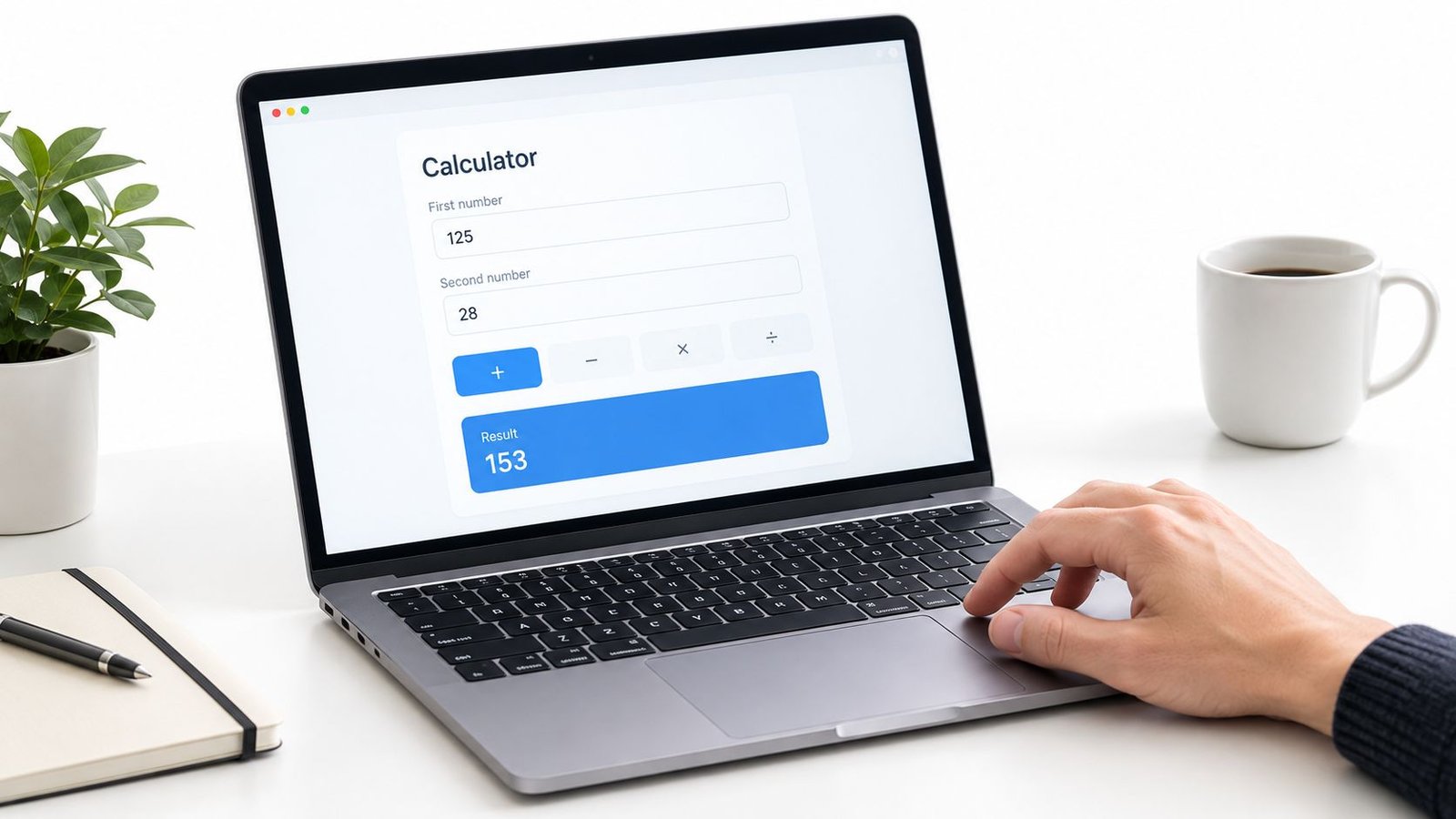
7. Digital Tools Calculators, Checkers and Small Software
Digital tools are often the most practical products because they return an answer, not just information. A pricing calculator, readiness quiz or budgeting model can solve a narrow problem in seconds, which is why professionals often value them more than generic advice. For independent sellers, this is one of the sharper digital product ideas when the audience wants a result instead of reading material.
The challenge is trust. If the tool makes assumptions that aren't stated, buyers may treat the output as more definitive than it is. That can be a problem for anything involving money, compliance or decision-making.
Build for transparency
Explain the assumptions and limitations on the offer page. Test the tool with a range of inputs, including edge cases, before release. If the tool collects personal data, state what is collected and why, and make sure any privacy obligations are considered in line with ICO guidance.
If the output could influence a financial, legal or medical decision, the product page has to be crystal clear about what it is and what it is not.
The easiest validation test is to compare the tool against a manual method. If a spreadsheet calculator saves obvious time, buyers will often tell you immediately. If people still want to do the task themselves, the friction may be in the workflow, not the calculation. That usually means the next version should remove steps rather than add more features.
8. Paid Newsletters and Membership Communities
Recurring products work best when the audience wants ongoing interpretation, not a one-off download. Paid newsletters and memberships deliver that through regular content, exclusive resources or peer discussion. They fit writers, analysts and specialists who can keep a steady publishing rhythm without exhausting themselves.
The weakness is consistency. A subscription that arrives irregularly teaches people to cancel. The product needs to be useful every time, not occasionally brilliant and mostly silent.
Set expectations before payment
Describe the publishing schedule and what members receive in each tier. Offer a free sample issue or preview so buyers can judge the tone and depth before subscribing. Make cancellation and renewal terms easy to find, because hidden terms create distrust fast.
This format is worth testing when the audience comes back for interpretation more than novelty. A short weekly briefing on a niche, a private discussion space for operators or a curated resource feed can all work if the content remains specific. For community-based products, Find Startup Idea's community guide sits naturally beside this model.
The best validation check is simple. Publish three sample issues, post them publicly and see whether readers ask for the next one. If the response is passive, a membership probably isn't the right first product. If people start forwarding the samples, the signal is stronger.
9. Assessments, Audits and Diagnostic Tools
Assessments work because people like to know where they stand. A website audit, skills check or business health review gives the buyer a personalised result based on their answers, which feels more valuable than a generic explanation. For coaches and consultants, this can also act as a bridge into a paid session.
The weakness is overreach. An assessment that claims to diagnose too much can drift into territory it shouldn't touch. Results should be presented as indicative, not as a substitute for proper professional advice where that's needed.
Keep the scoring simple
Explain what the assessment measures and what it doesn't measure. Use plain-language score bands with suggested next steps for each one. If the topic touches health, wellbeing, finance or law, include a clear disclaimer and avoid language that sounds definitive.
A practical test is to connect the result to a next step. If the report ends with a booked review call, implementation session or targeted recommendation, the value is obvious. If it only tells people they have a problem, the product feels incomplete.
The strongest versions are focused. A five-minute business check-up or a short website audit can be easier to buy than a sprawling diagnostic framework. Buyers want clarity, not a personality test disguised as strategy.
10. Stock Photography, Illustration and Licensed Digital Art
Licensed digital art can be a good fit for creators who produce visually consistent work and understand commercial use. Stock photography, illustration packs, icons and digital artwork all solve the same problem, which is giving other people a legal way to use high-quality images in their own projects. Success depends on style, technical quality and precise licensing.
The weakness is competition. Broad, generic images get lost quickly. Buyers usually search for visuals that fit a clear use case, and inaccurate tags can sink a good file before anyone notices it.
Think like a buyer, not just an artist
Check each platform's content and submission rules before uploading. Keep keywords accurate and specific, because misleading tags frustrate buyers and can hurt visibility. If the image includes a recognisable person or private location, get the right releases first.
A useful demand test is to release a narrow themed pack rather than a mixed batch. An icon set for a niche industry, a seasonal illustration bundle or a short photo series for one campaign topic will tell you more about demand than a random portfolio dump. If a theme sells, it's easier to extend. If it doesn't, the feedback is specific enough to guide the next set.
11. Why the Best Ideas Are Usually the Boring Ones
The strongest digital products usually solve an operational problem, not a glamorous one. That lines up with how UK businesses adopt technology. The government's Longitudinal Small Business Survey found that 55% of businesses with no employees used technology or web-based software to sell to customers or manage the business in 2025, but only 26% used it specifically to sell online, which suggests a real gap between general digital comfort and productisation (Longitudinal Small Business Survey 2025). For solo sellers, that gap is useful because it points toward offers that help people sell without building a full ecommerce system.
The same pattern shows up in broader tech adoption. The Innovation Diffusion and Adoption Survey found that 56% of businesses were adopters of at least one surveyed technology, with adoption lower among microbusinesses than larger firms (Innovation Diffusion and Adoption Survey). That means simplicity wins. A buyer who can understand the product, use it quickly and support it lightly is far more likely to complete the purchase.
A lot of would-be sellers still chase novelty. The better move is to start with a recurring customer problem, then choose the format that removes friction fastest. That might be a guide, a spreadsheet, a printable, a short course or a small tool. The product itself matters less than the fit between problem, format and buyer readiness.
Digital Product Ideas: 10-Point Comparison Guide
| Digital Product Type | Implementation Complexity | Resource Requirements | Expected Outcome | Ideal Use Cases | Key Advantage |
|---|---|---|---|---|---|
| Ebooks and Written Guides | Low to moderate | Subject expertise, writing and basic design tools | Reusable educational content sold as a download | Writers, consultants and educators | Low production cost after creation |
| Templates and Spreadsheets | Low to moderate | Workflow expertise, spreadsheet or design software, testing | Ready-to-use structures that save buyers time | Freelancers, operations specialists and small businesses | Delivers immediate practical value |
| Printables: Planners, Trackers and Wall Art | Low to moderate | Design tools, print-ready layouts and previews | Downloadable files buyers can print and reuse | Designers, educators and lifestyle creators | No physical inventory or shipping |
| Self-Paced Online Courses | High | Subject expertise, lesson planning, recording and hosting tools | Structured learning that can be sold repeatedly | Educators, coaches and subject-matter experts | Supports in-depth instruction at scale |
| Audio Products: Guided Sessions and Sound Packs | Moderate | Recording equipment, editing software and audio rights | Convenient audio for learning, listening or creative use | Meditation teachers, language educators and music producers | Fits easily into daily routines |
| Design Assets: Fonts, Graphics and Presets | Moderate to high | Design skills, specialist software and clear licensing | Reusable creative files for buyers' projects | Graphic designers, photographers and brand specialists | Can be produced in batches and sold repeatedly |
| Digital Tools: Calculators, Checkers and Small Software | Moderate to high | Spreadsheet or coding skills, testing and possible hosting | Interactive outputs that help users complete specific tasks | Consultants, developers and business advisers | Provides immediate, task-focused results |
| Paid Newsletters and Membership Communities | Moderate, ongoing | Regular content, audience development and community management | Recurring revenue and ongoing audience engagement | Writers, analysts and niche experts | Builds direct relationships with subscribers |
| Assessments, Audits and Diagnostic Tools | Moderate | Structured questions, scoring method and report design | Personalised results and suggested next steps | Coaches, consultants and business advisers | Offers buyers tailored feedback |
| Stock Photography, Illustration and Licensed Digital Art | Moderate to high | Creative skills, production time, metadata and rights management | Licensed assets sold through marketplaces or directly | Photographers, illustrators and visual artists | Existing work can be licensed to multiple buyers |
Choose One Idea and Test It This Month
Pick the format that matches the skills already in place, then shrink it to a test that can be published quickly. One guide, one template, one sample lesson or one printable set is enough to learn whether people care. A single page with a clear title, a specific outcome and a visible example can reveal more than a month of polishing.
Ask a few prospective buyers what problem they would pay to solve and what they'd expect to receive. Their language is usually better than a seller's first draft, because it tells you which words feel concrete and which promises sound vague. If the response keeps circling back to the same pain point, that's the product to build first.
Before creating anything large, set out the scope, inclusions, price and delivery in one place. A structured offer page can do that cleanly, and it's especially useful when the product needs pre-sale clarity around what's included and when the buyer gets access. That's the fastest route to a simple first sale, and it keeps the work focused on something people actually want.
If the next step is turning one of these ideas into a clear offer page, AmaJova can help sellers present digital products, services and live sessions in one place. Visit AmaJova to explore how a single OfferLink can help organise the offer, the expectations and the checkout path around one product.